Synthesis of High-Performance Structural Systems
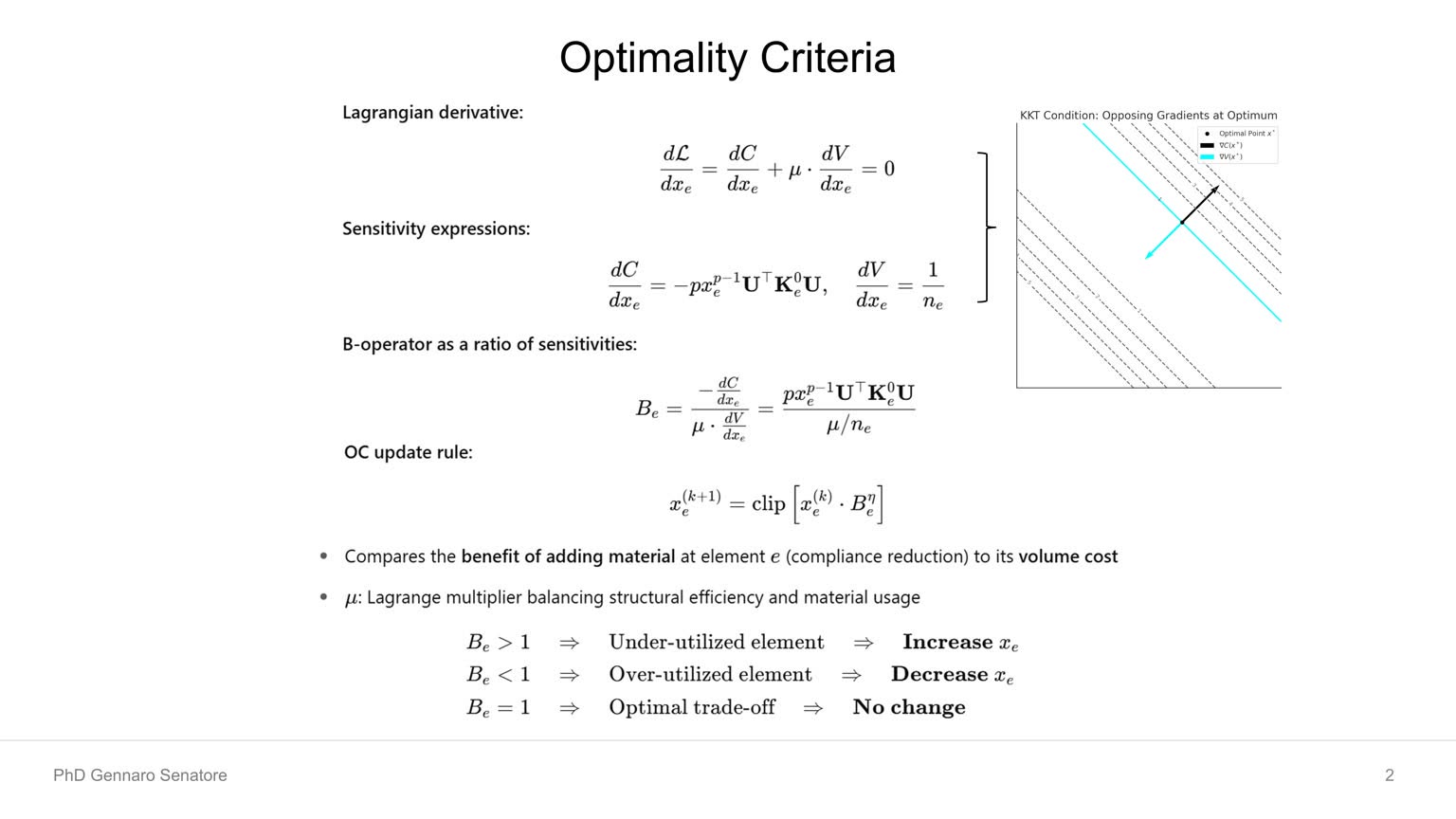
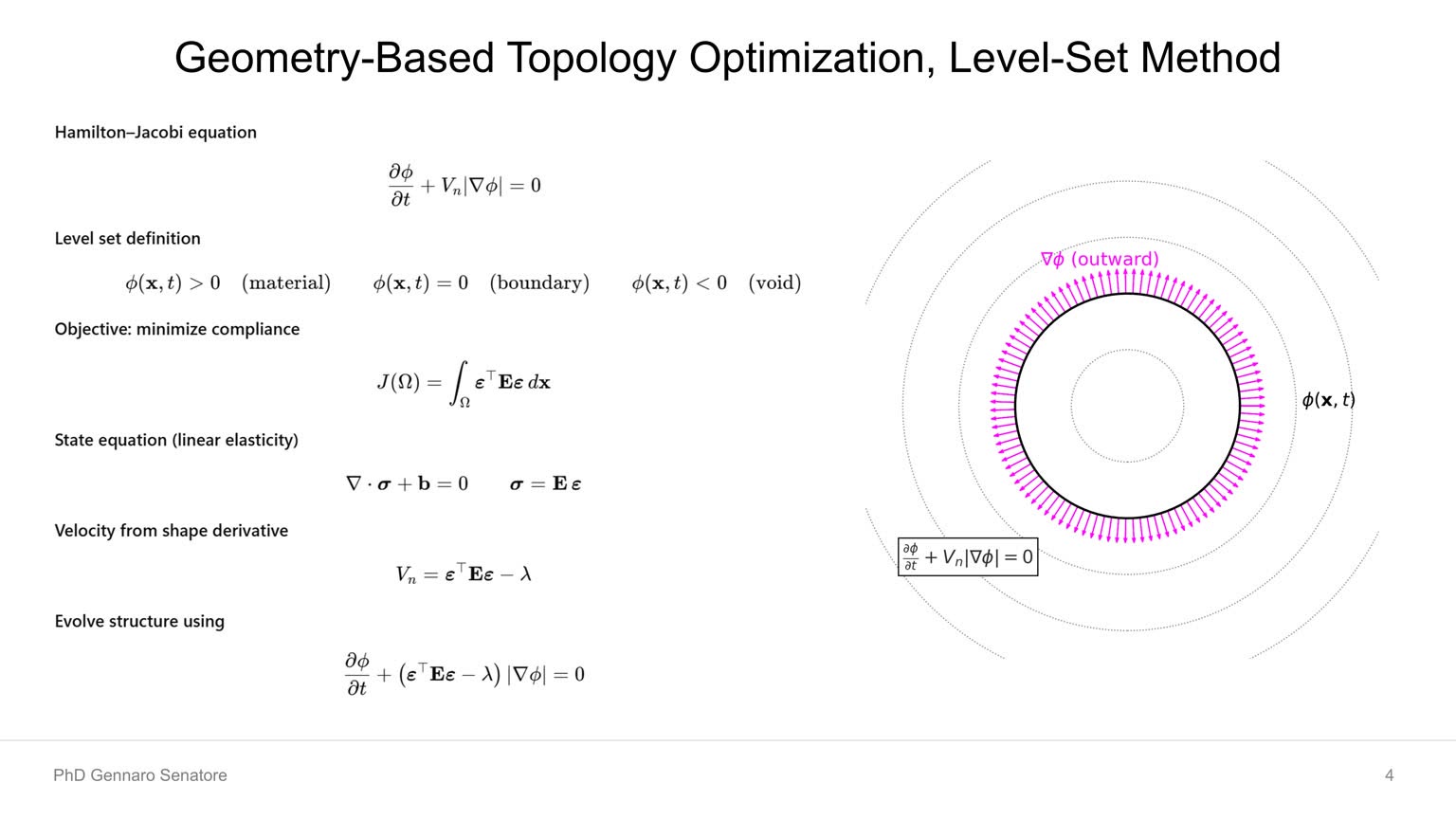
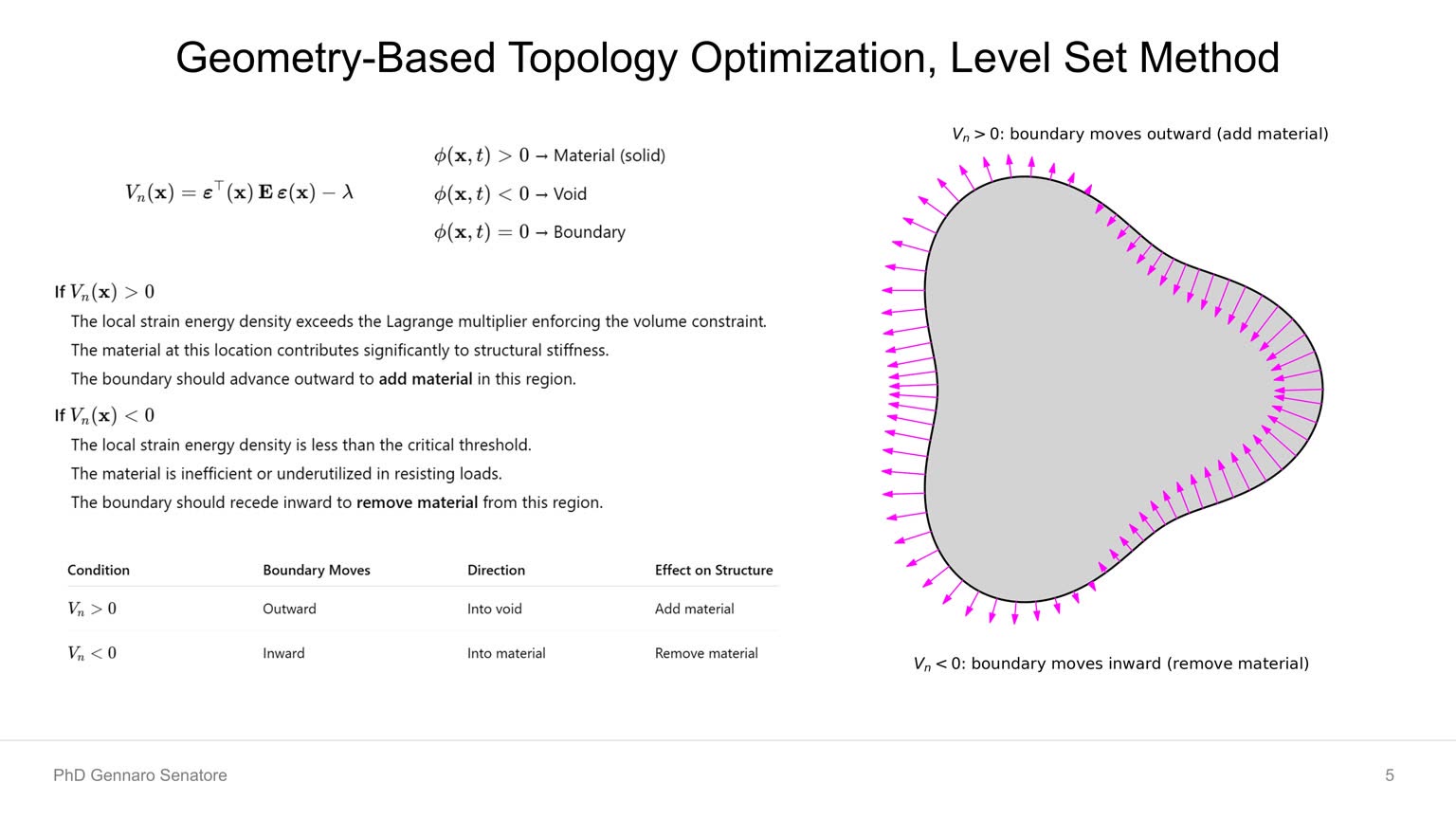
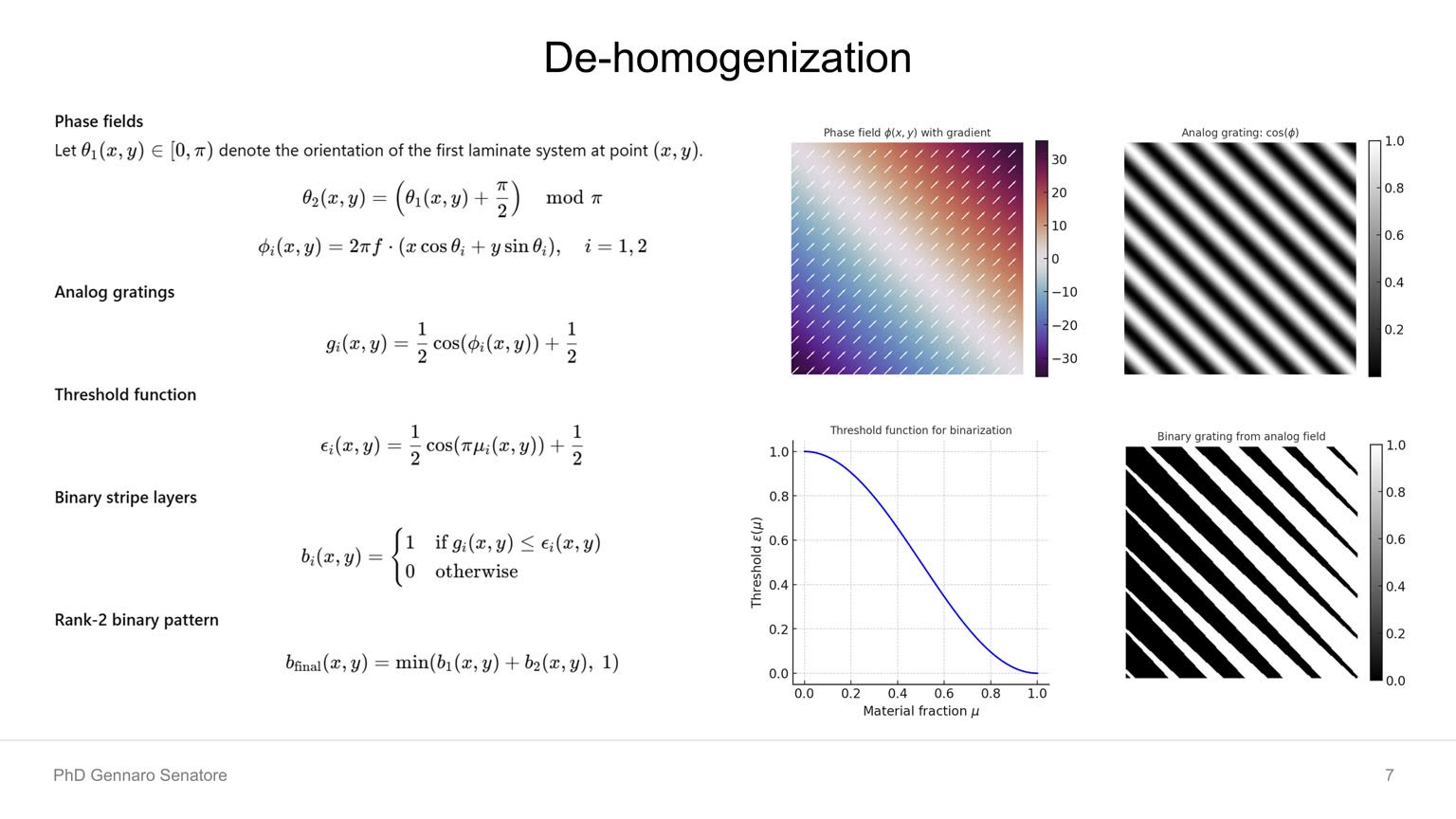
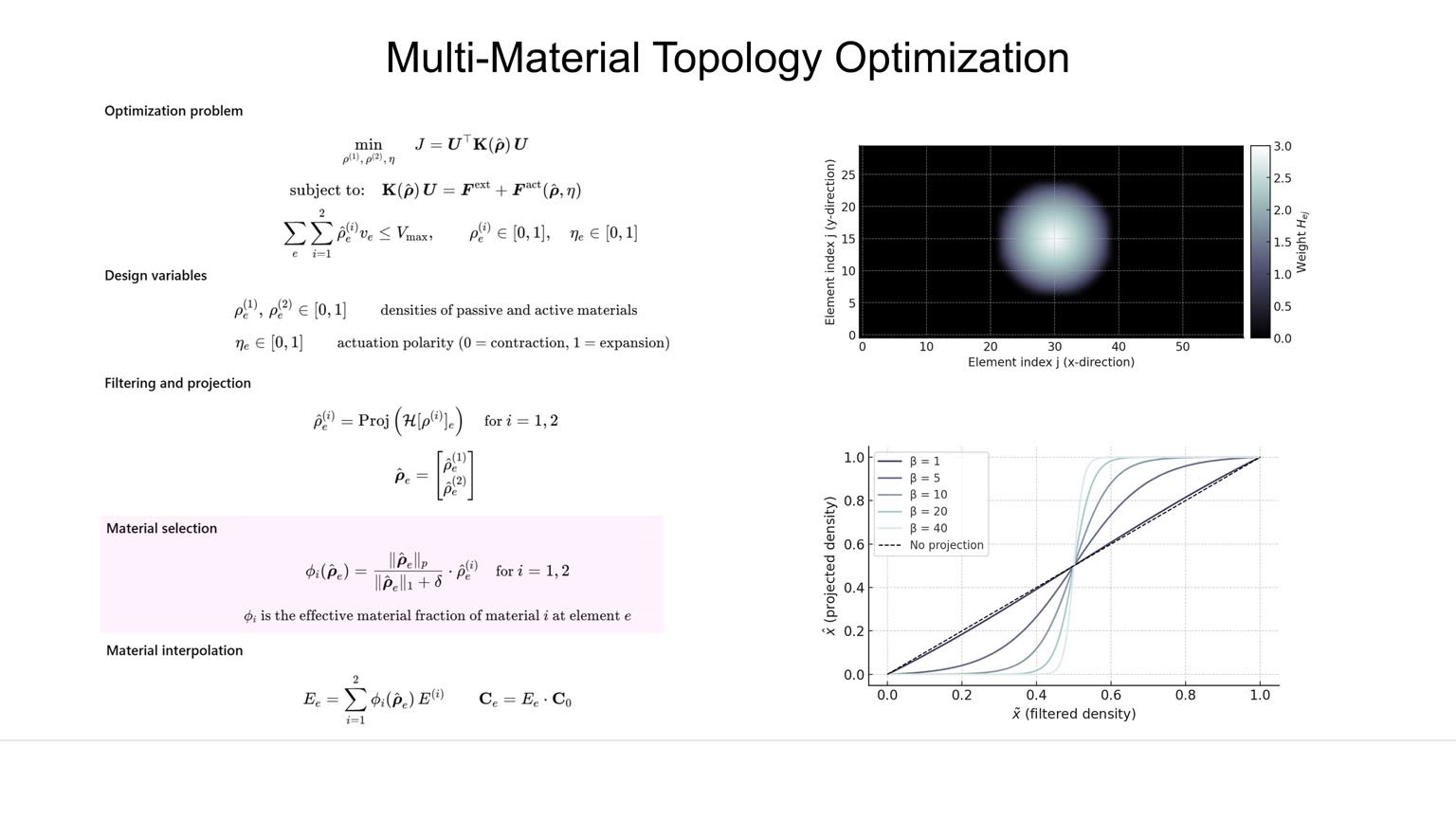
This course introduces students to structural design as an inverse problem guided by performance objectives such as minimal weight, embodied carbon, and whole-life energy use. Students learn to formulate and solve optimization problems that satisfy equilibrium, stability, geometric compatibility, and fabrication-related constraints. Two strategic approaches are emphasized:
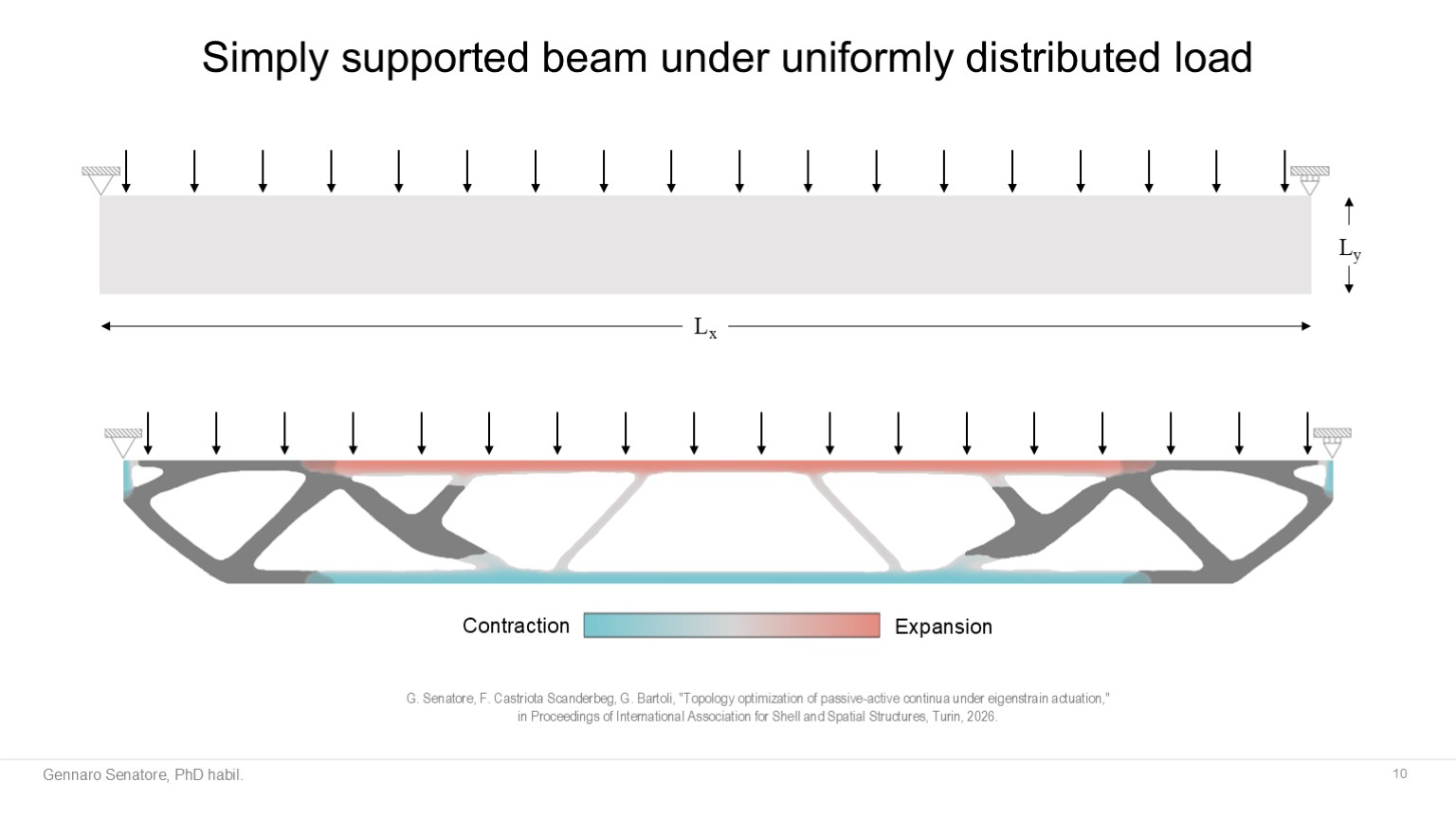
Structural Adaptivity - Designing systems with embedded sensing and actuation to actively respond to static and dynamic loads, enabling significant material savings while meeting safety and serviceability requirements (e.g., stress, displacement).
Design for and from Reuse - Developing structures from reclaimed components and/or for multiple service cycles through disassembly-based strategies, minimizing reprocessing and reducing carbon footprint via stock-constrained optimization. Key concepts include structural optimization with design variables such as topology (i.e., connectivity network), nodal coordinates, cross-sectional properties, and control states. Students engage with a broad set of computational methods, including:
- Gradient-based and stochastic optimization techniques, including mixed-integer programming for combinatorial problems such as sensor/actuator placement and component reuse
- Machine learning-based techniques, such as physics-informed graph neural networks for surrogate modeling, and variational autoencoders or reinforcement learning for exploratory design generation
- Integrated structure-control design strategies for adaptive structural systems
These techniques are critically examined as context-dependent tools - for example, to reduce computational cost in response analysis or to accelerate convergence in high-dimensional design spaces. Application areas include high-rise buildings, long-span bridges, and roof structures subjected to representative loading scenarios.
Didactic Development:
Gennaro Senatore
Related Content
Design and Control of Adaptive Structures
Design through Component Reuse