Computational Design
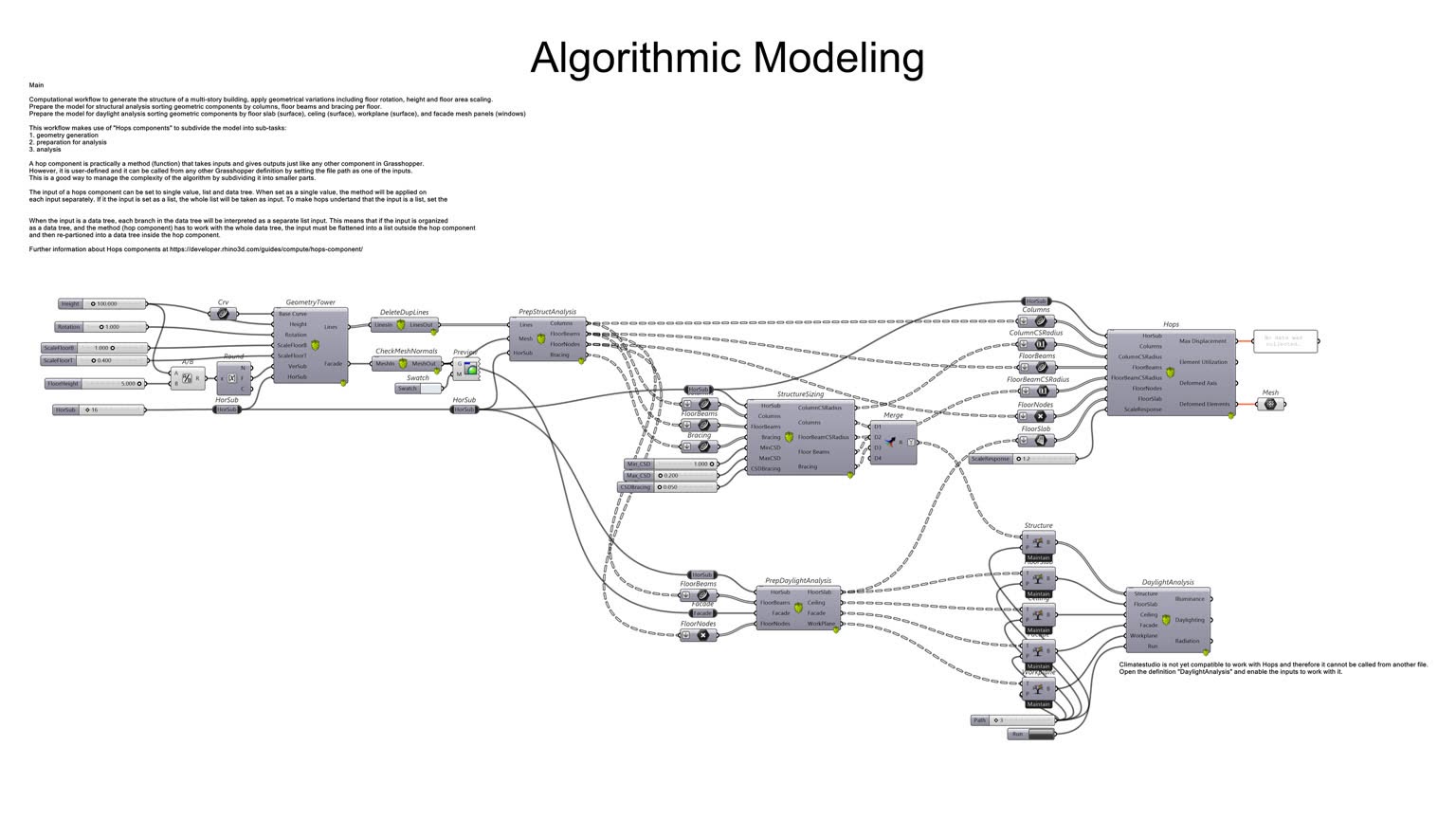
This course addresses early-stage design as a multi-objective, iterative, and data-informed process involving diverse stakeholders, including architects, engineers, contractors, and clients. Students learn to structure the design process through algorithmic and parametric modeling, enabling rapid exploration and evaluation of “what-if” scenarios. The course teaches an integrated approach built around three core components:
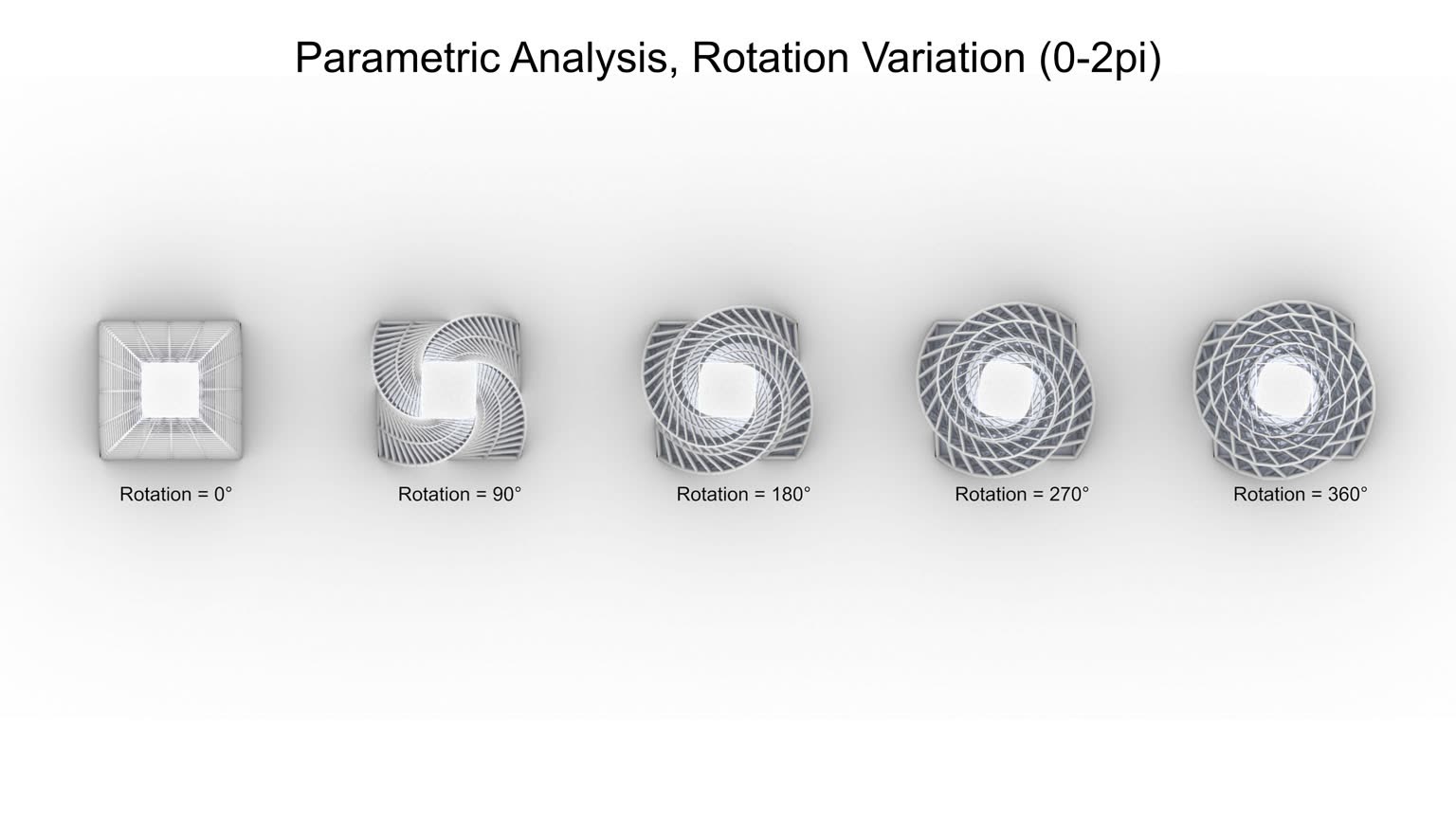
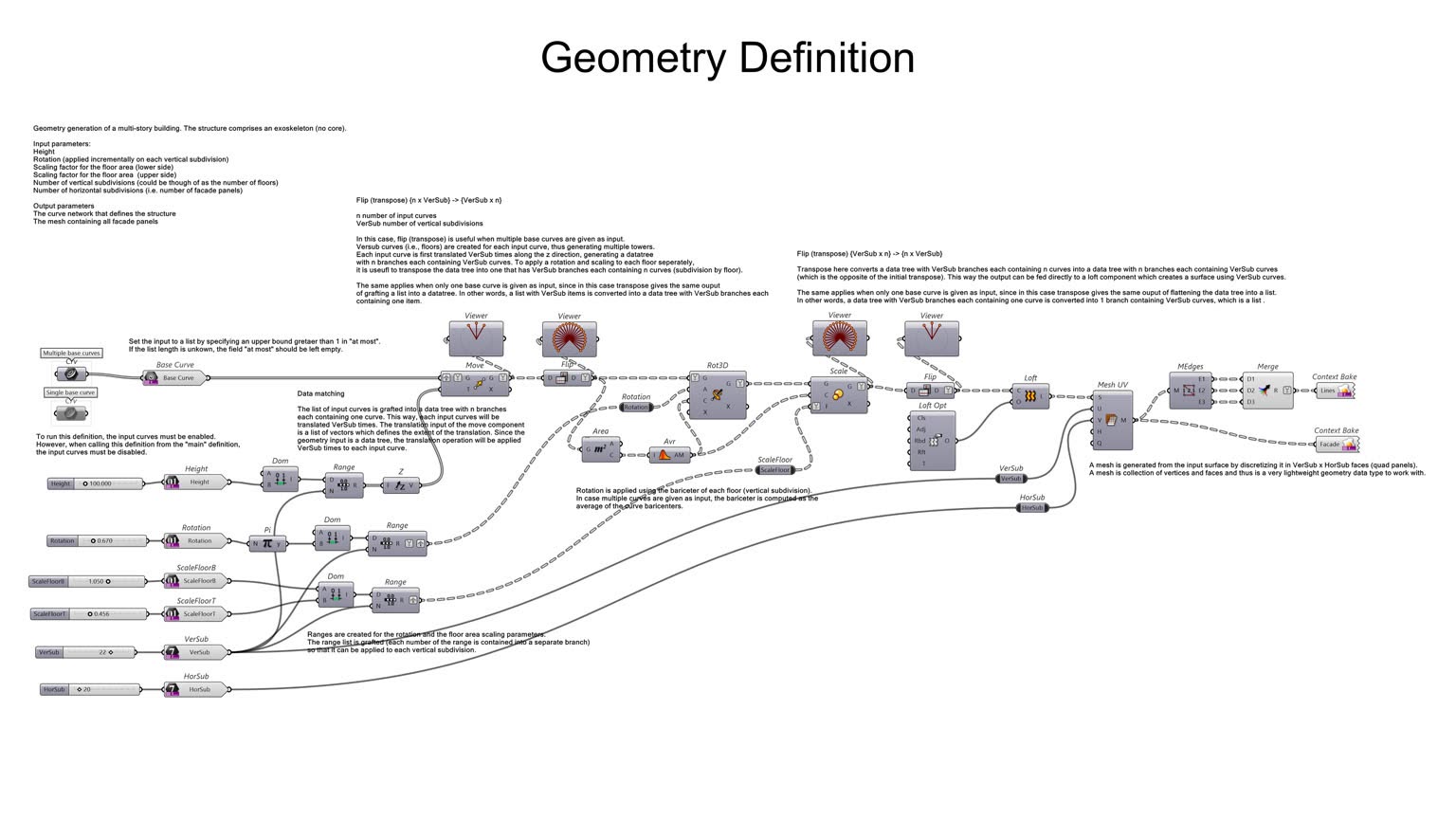
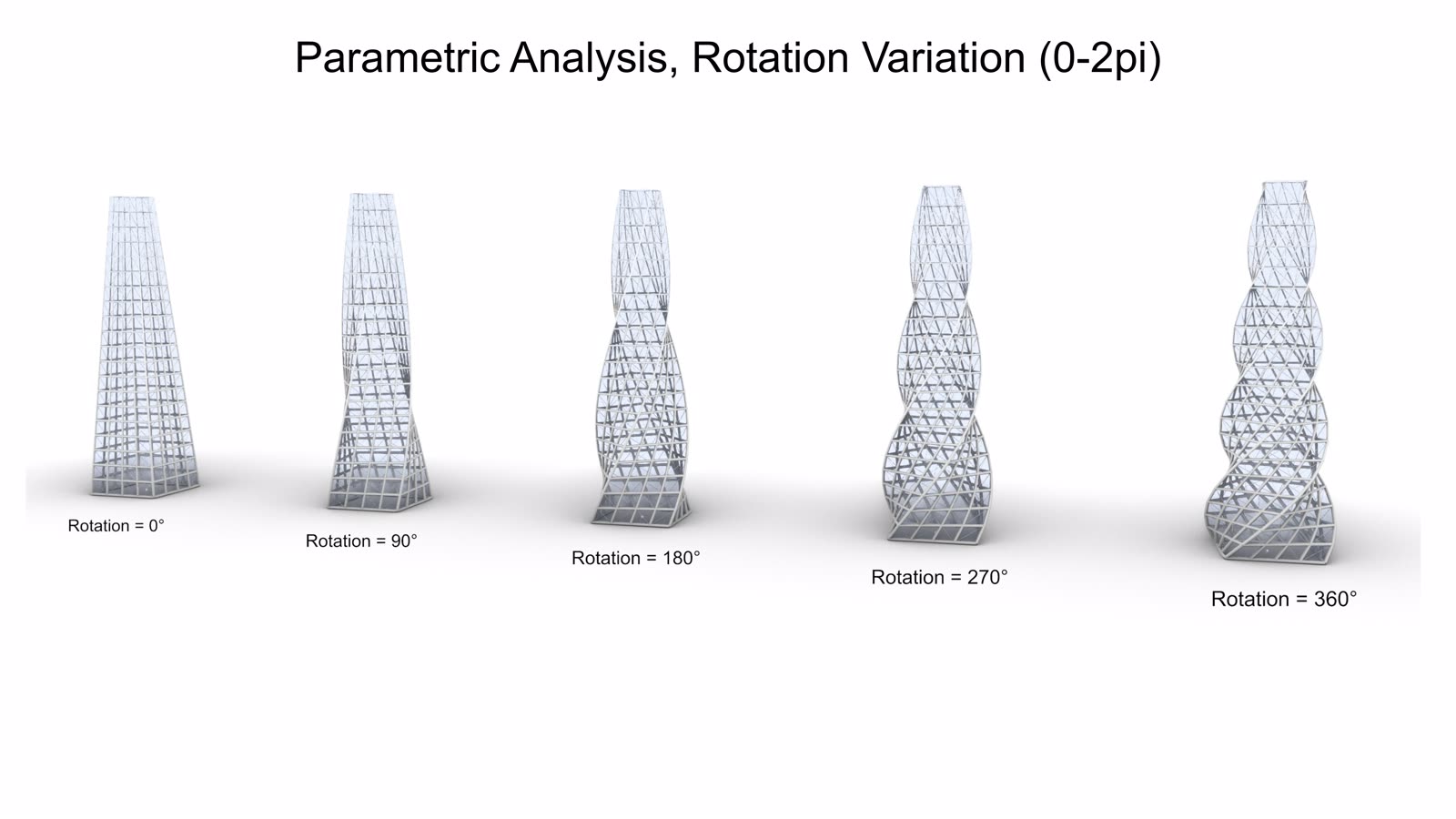
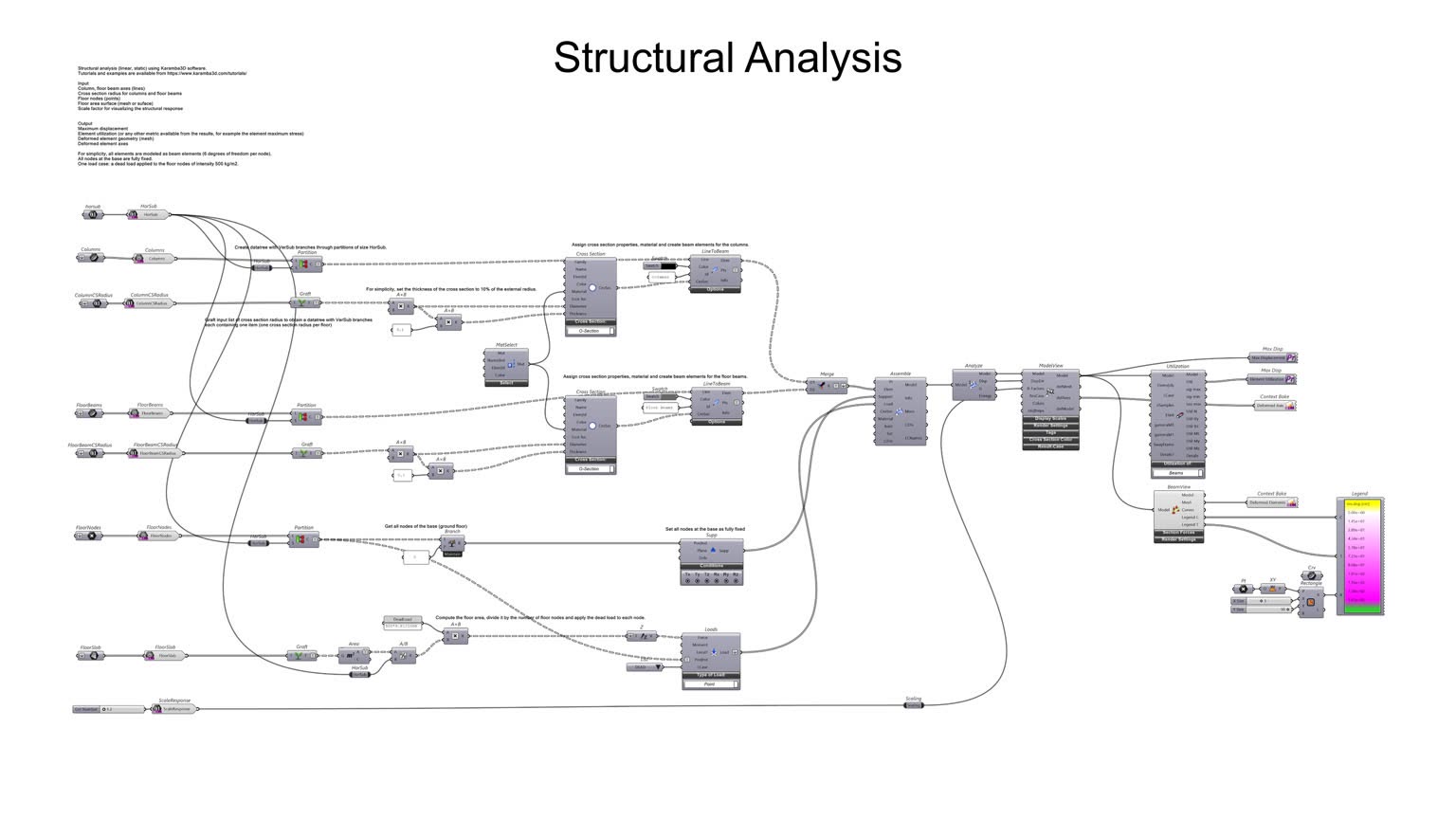
- Parametric modeling for the systematic generation of alternative structural and spatial configurations.
- Computational algorithms for data handling and filtering.
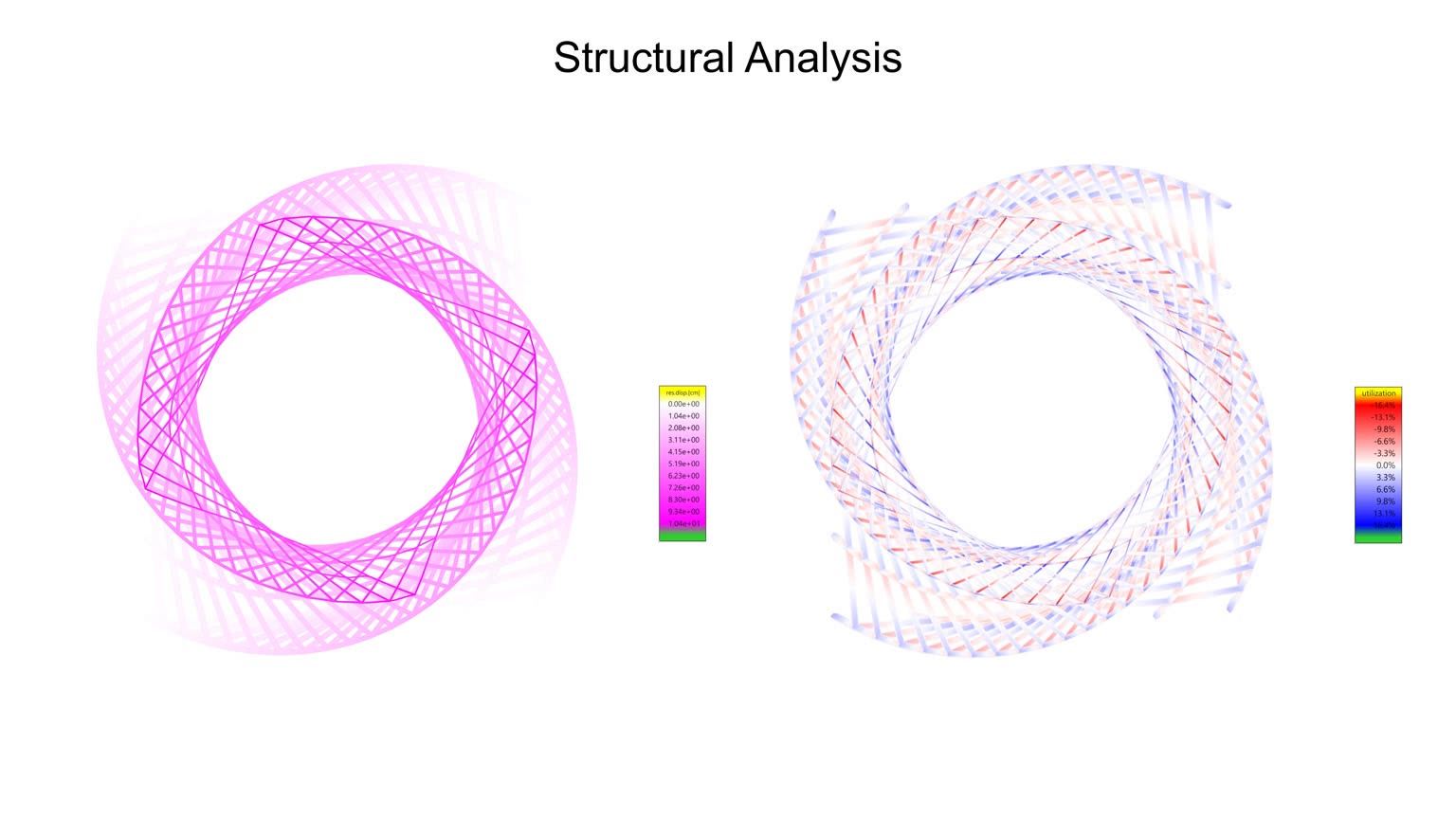
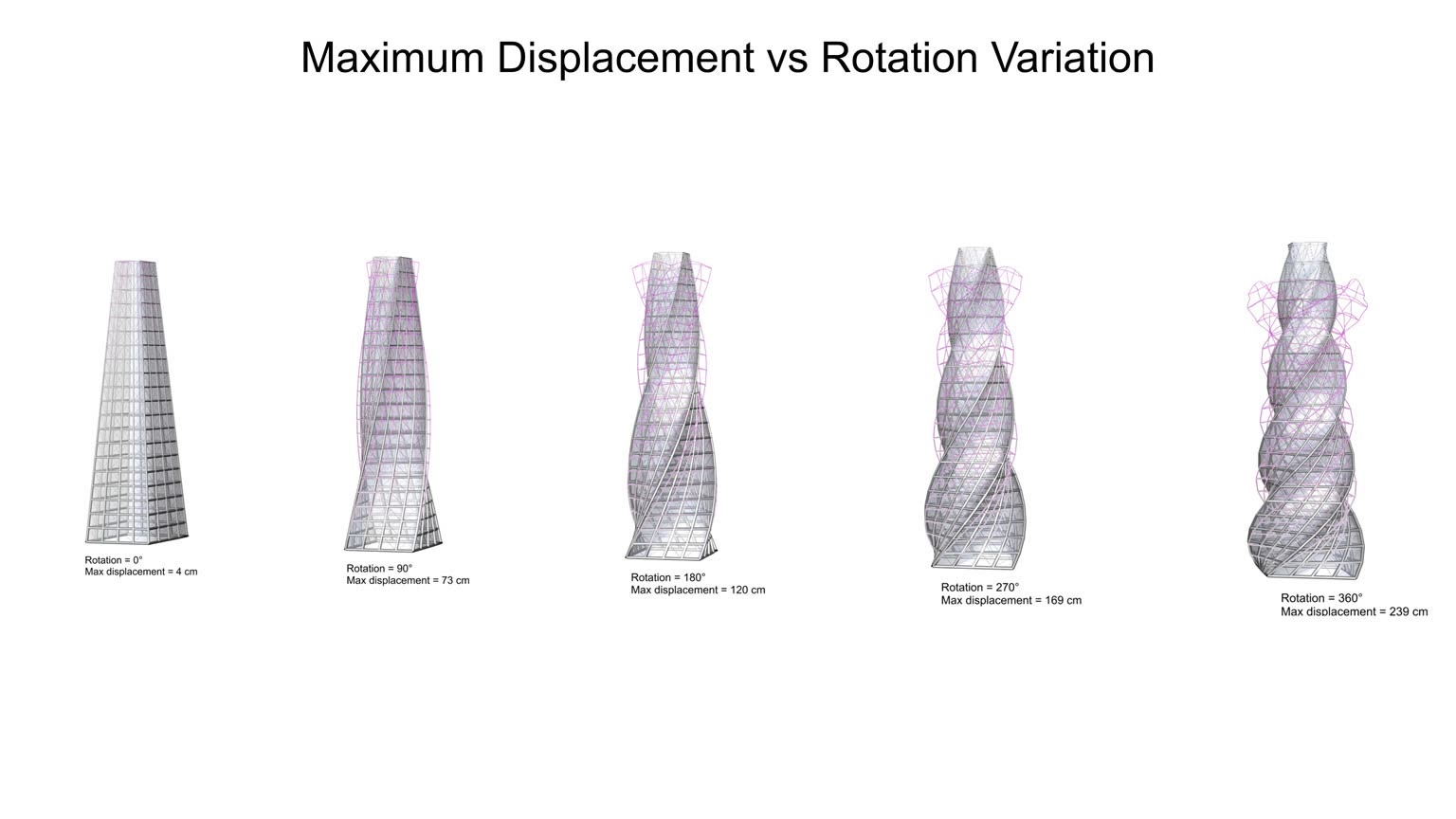
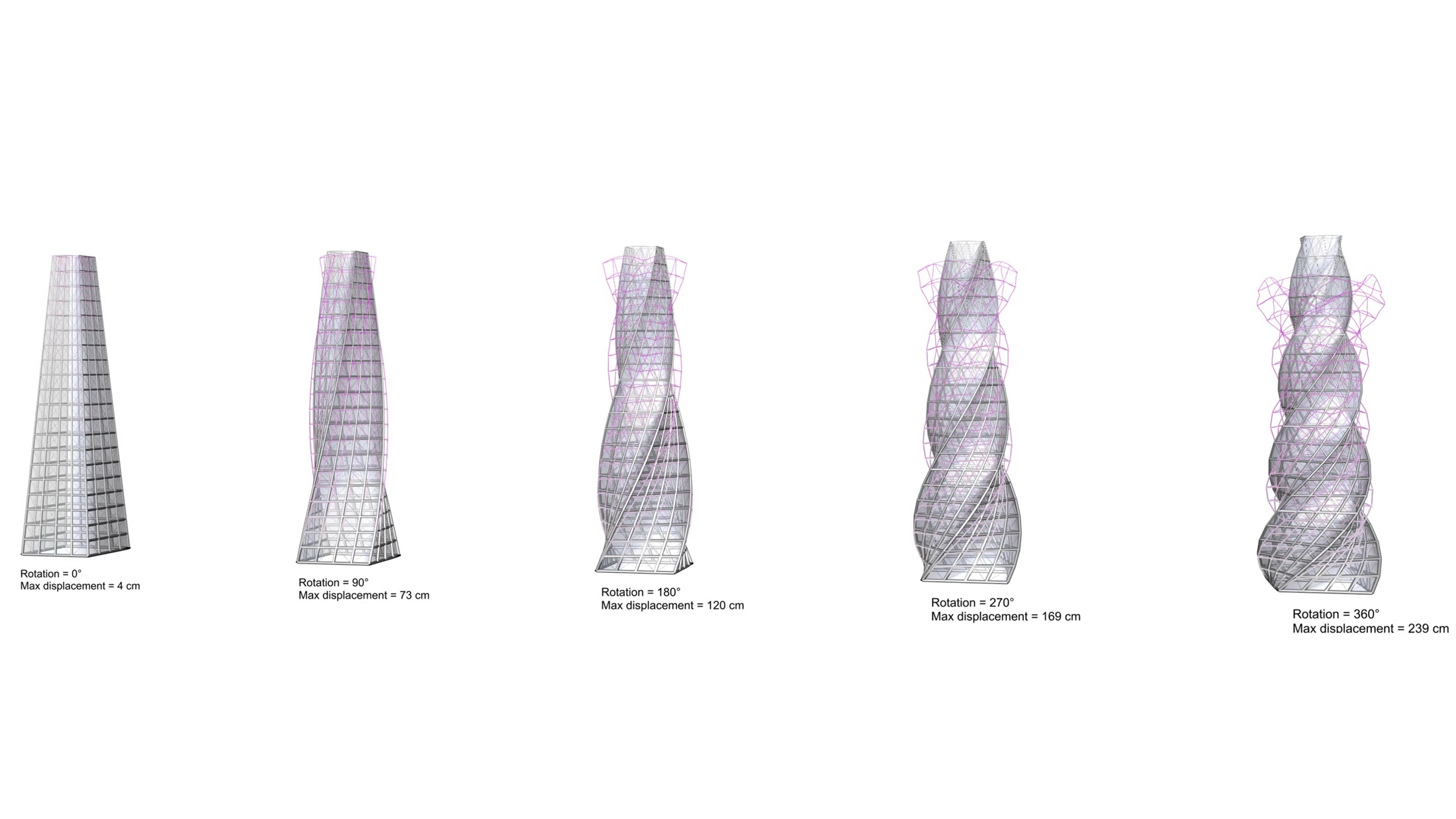
- Performance-informed design using simulation feedback across multiple criteria (e.g., structural, acoustic, lighting, thermal).
Workshops are structured as hands-on sessions that translate research-led methodologies into accessible, practical learning experiences. Using computational design tools that combine visual programming (e.g., Rhino 3D with Grasshopper) and textual programming (e.g., Python), students gain direct experience with workflows that mirror techniques used in advanced structural research and practice. Beyond software proficiency, the course emphasizes methodical thinking, students learn how to construct, test, and refine performance-based design strategies across diverse engineering and architectural contexts. In addition to foundational skills, students are introduced to generative design, performance-guided form generation, and multi-objective modeling. These techniques are presented not as opaque automation, but as critically examined tools whose assumptions, limitations, and applications must be understood and evaluated. This approach prepares students to engage not only with existing technologies, but with the broader research challenges surrounding them.
The course is deliberately designed to serve as a platform for interdisciplinary collaboration, as the computational strategies it teaches are broadly applicable across domains. It functions as a shared computational design laboratory, enabling integration with other faculty-led teaching in architecture, structural engineering, and related disciplines.